Designing Trust in High-Risk Trading

April 2024 - October 2024
UI
UX
Prototyping
User Flows
Personas

Tools i used

Figma
Lucid Charts
ProtoPie
Miro

Overview

The goal of this project was to design a copytrading platform focused on high-risk, low-cap crypto assets - where trust, clarity, and risk visibility became critical UX challenges.
01

Product Vision & Market Context

Most crypto copytrading platforms focus mostly on established high-cap, lower-risk assets. Newer cryptocurrencies were underserved, despite having large user bases willing to trade them, because they required lower budgets.

Many crypto users start with low-cap, high-risk assets because of their higher growth potential and accessibility for smaller investors.
02

Design Strategy

Trust Before Profit

Copytraders were making investment decisions based on other people's actions. Instead of maximizing exposure to profit indicators, I prioritized transparency, risk, and trader credibility.

Risk-Aware Decision Making

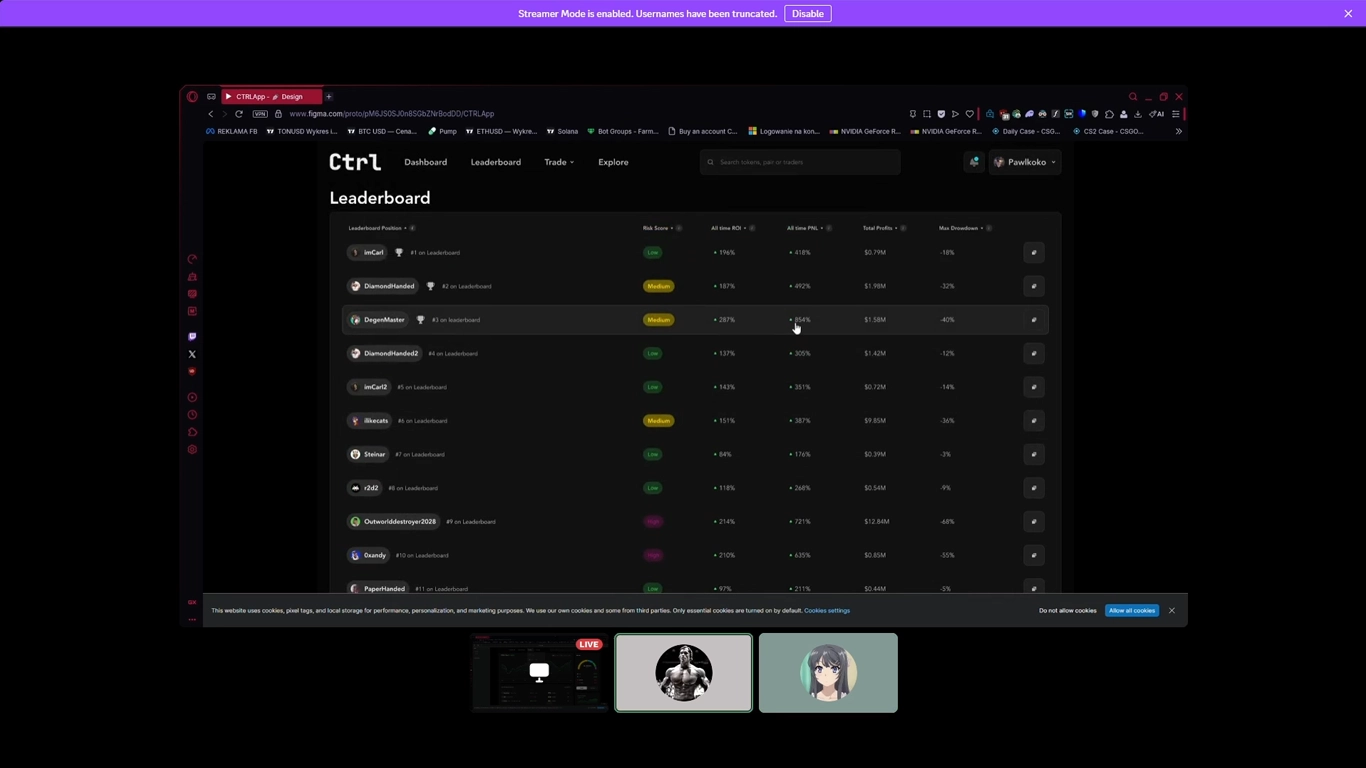
Low-cap crypto assets can generate huge returns but also carry significant loss risk. Rather than promoting profitability alone, the product was designed to expose risk indicators, including drawdown, trader risk scores, and portfolio allocation. The leaderboard was created in a way, that it calculates leaderboard position based on all of this indicators together.
04

The Core Business Problem

Business needs

For the platform to generate revenue from trading fees, copytraders needed to make profitable trades. This was only possible if they could discover and follow skilled traders.

User needs

Traders could only perform effectively if the platform provided reliable, easy-to-use tools for managing portfolios, tracking assets, and executing trades.
05

User Types & Behavioral Differences

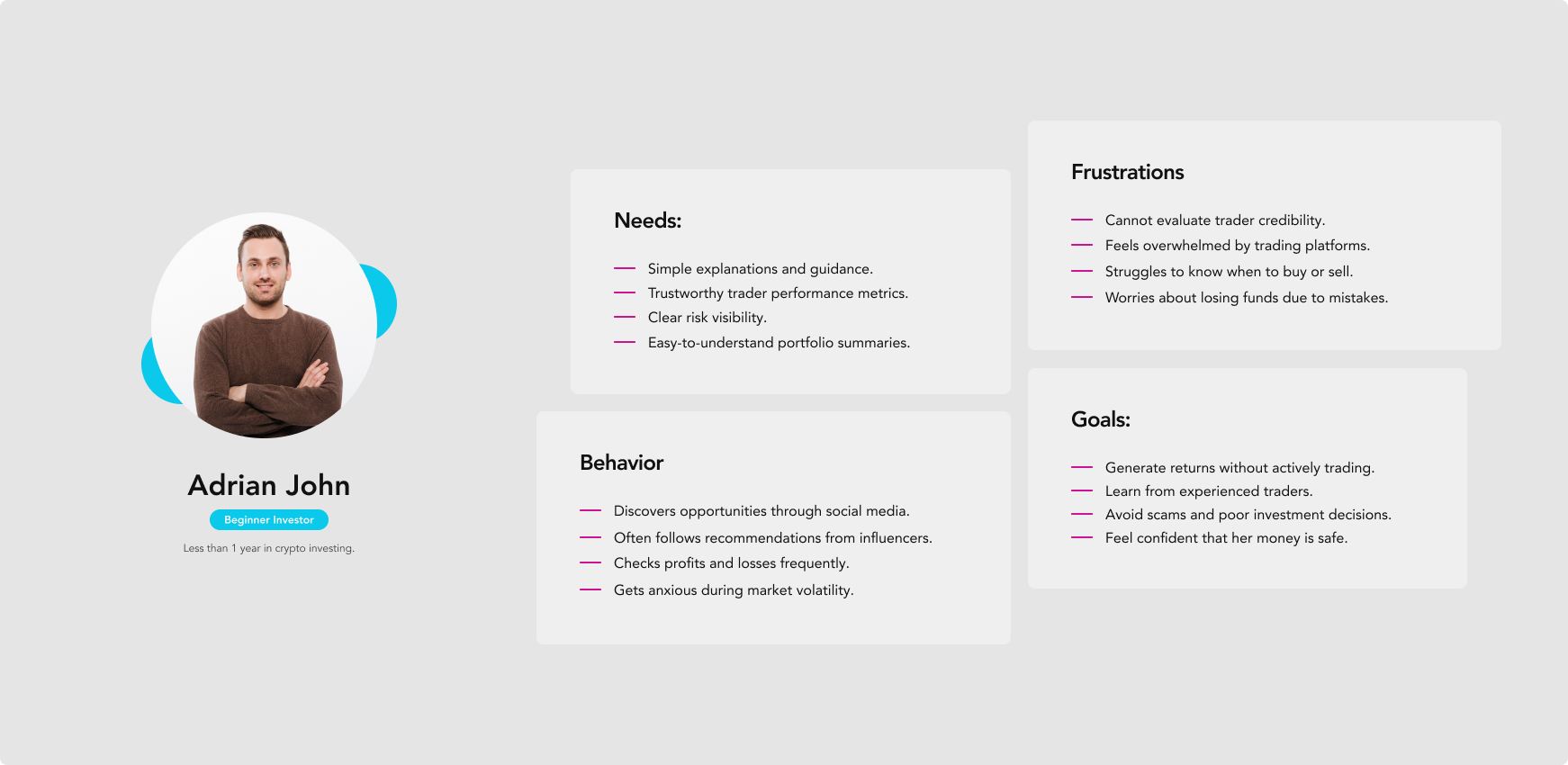
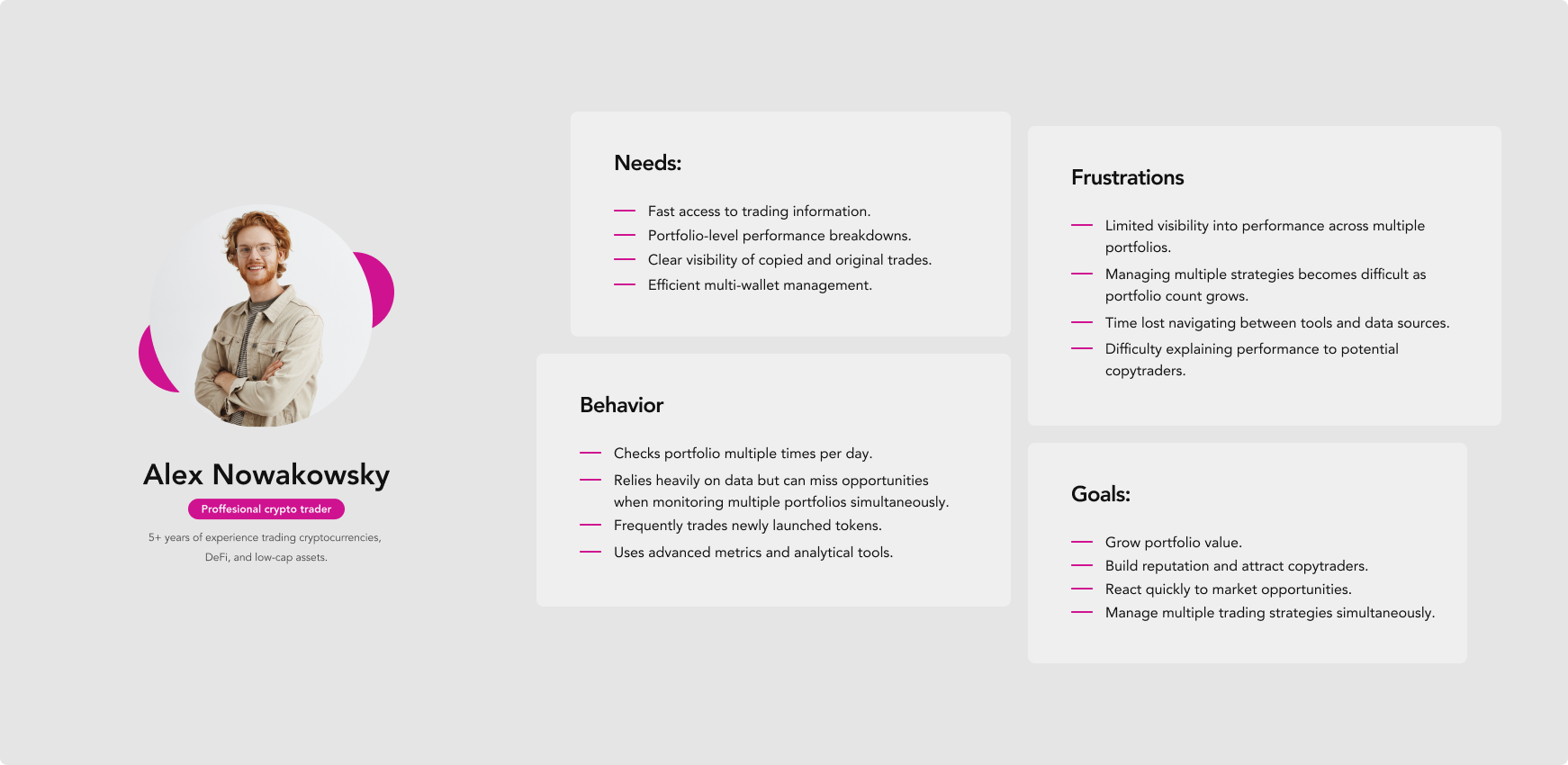
We have two user types: Traders and copytraders. Traders are experts in crypto, that can use advanced tools, and understand crypto metrics.

Copytraders were typically inexperienced investors with limited abilities to evaluate trader credibility, detect scams, or manage their emotions when making decisions.
To better understand users and their mental models, I started by creating two main user personas.
06

Discovery and Information Architecture

User Research

The project already had a small community on Telegram, so we decided to make a survey.

Thanks to this, we found that most people interested in copytrading had never traded before or were just starting in the crypto world.

Pain Points

Most of the users (83%) we asked, “How are they trading now?”, said they use social media to buy assets promoted by big accounts they trust.
37% of them feel like this is a bad way to trade, as they are often scammed and rugpulled.

28% felt overwhelmed by the amount of trading data and struggled to identify trustworthy assets.

25% has problems with finding the right moment to sell the coin and lose money because of it

User Personas

To better understand users and their mental models, I started by creating two main user personas.
Two fundamentally different users required two fundamentally different experiences.
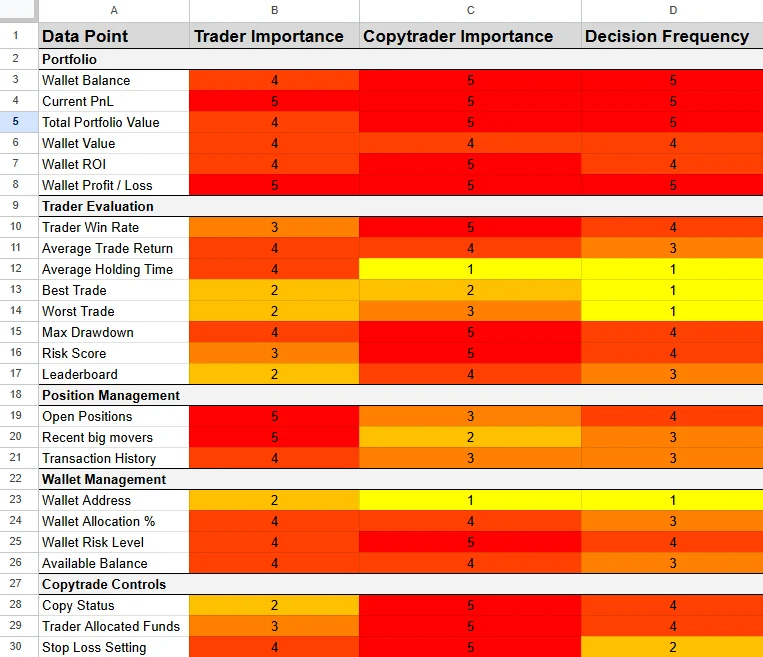
Because traders and copytraders required completely different levels of information density, I mapped and weighted every data point based on user goals, risk level, and decision frequency.
Alongside a list of user goals, pain points, anxiety mapping, and behavioral analysis, I had a full set of knowledge to guide the design process.
07

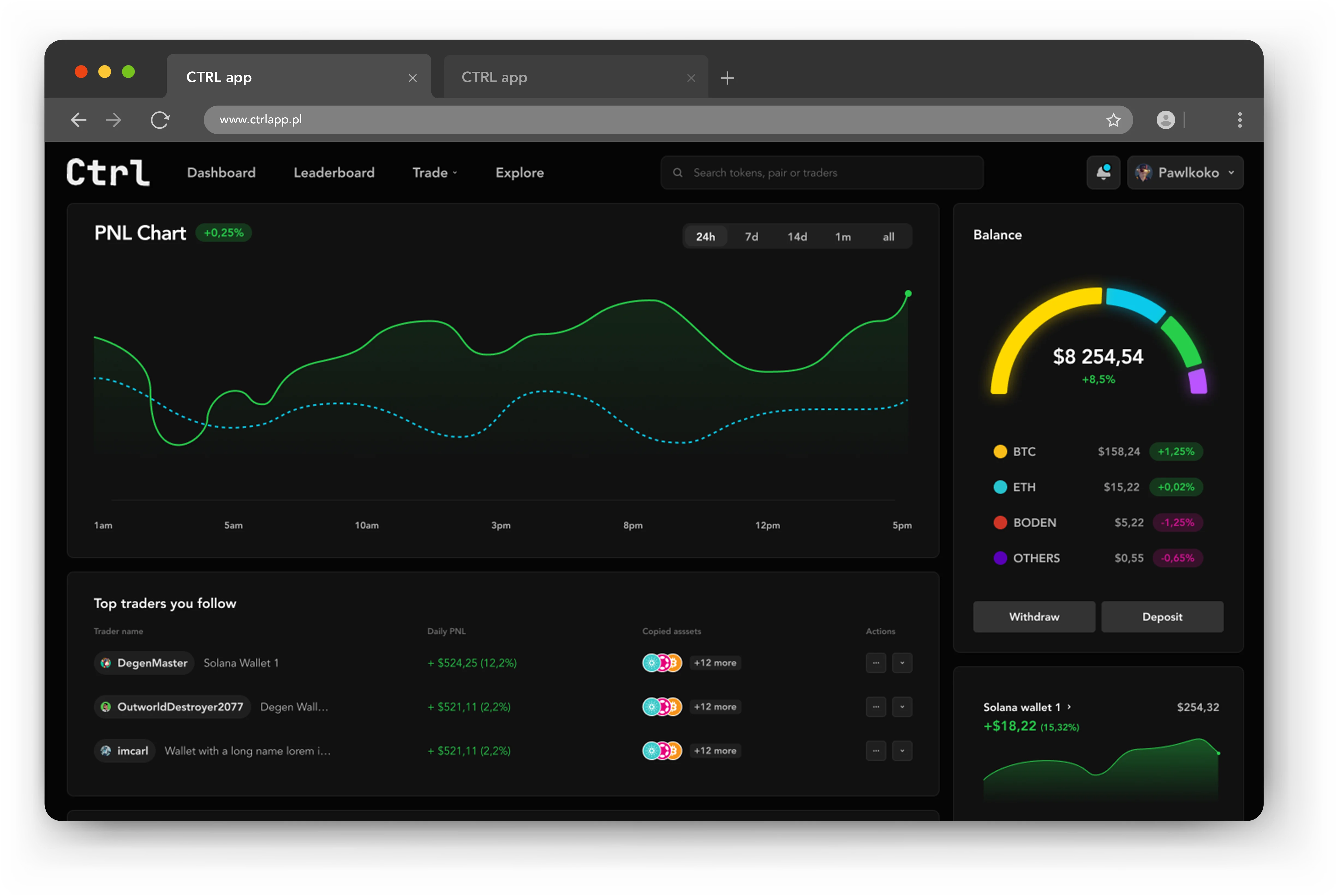
Dashboard Strategy & Information Prioritization

Reducing Cognitive Overload

The first dashboard iteration exposed a major issue: prioritizing solely by data importance created cognitive overload rather than clarity.
Rarely used actions were progressively disclosed to reduce cognitive load and keep the dashboard focused on high-frequency decisions.

What we removed

The client wanted to incorporate a social feature into the systems - likes, dislikes, and comments.

After careful consideration and some interviews with users, I decided to scrap this idea for two main reasons:

- Social validation mechanisms risked creating emotional bias and reducing trust in trader performance metrics.

- This is going to require extra moderation, user guidelines, a reporting and banning system, and will add another layer of complexity to the system.
08

Multi-Wallet System Challenge

Solving Multi-Wallet Complexity

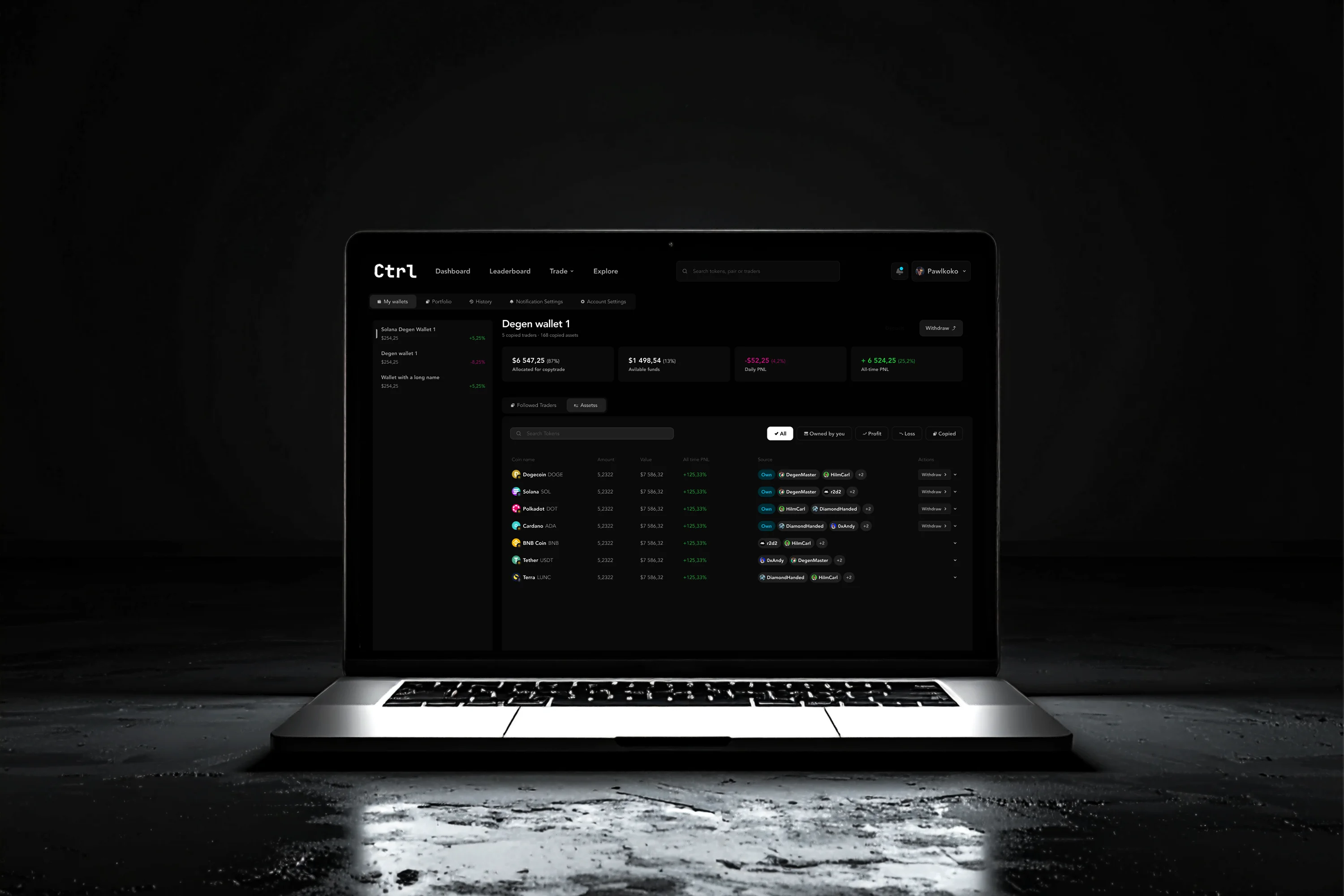
The system had a multi-wallet feature, allowing users to isolate traders into separate wallets based on risk profile or strategy.
This introduced a major UX challenge: transactions, balances, and trader performance were now fragmented across multiple user-created portfolios.
Wallet separation gave users stronger risk control by isolating aggressive and conservative strategies into separate portfolios.
I tested different solutions for a clear and easy way to show users all transactions and traders that are assigned to a wallet, and ended up:
- Showing wallet badge next to each transaction
- Adding an option to filter the list of transactions by wallet name
- Showcasing a smaller dashboard segmented by wallets with a summary for each wallet and a list of traders and transactions
09

Onboarding problem - choosing between safety and friction

Wallet mechanics

When creating a first wallet during onboarding, users had to manually save a 12-word mnemonic phrase on paper (preferably) and confirm the selected 3 words in the next step. That created additional friction but made user funds secure, because with this phrase they still have access to them even if the entire app shuts down.
I tested a few solutions, like skipping creating a wallet for later or letting users create a wallet and save mnemonic phase at any given time, but skipping creating a wallet added another level of complexity to the system and copytrading phase, in which there are already many things to do, and letting users view keys at any time was way too insecure.
Instead of removing friction, I focused on reducing user anxiety through clearer education and security communication.
10

Key Edge Cases & Critical States

Copy transaction Failed Due to High Slippage.

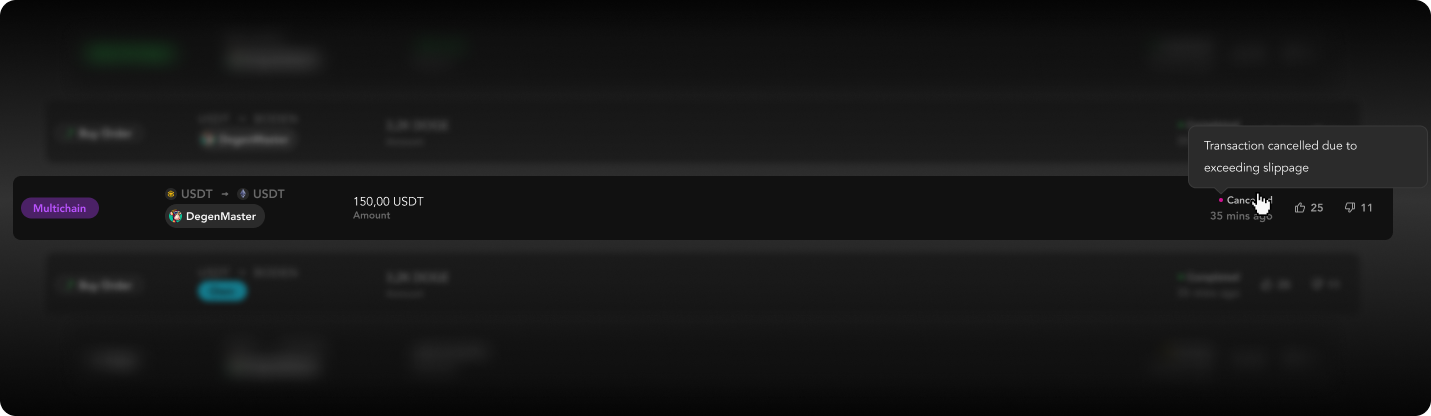
If the transaction was not copied due to high slippage, the transaction status changes to “Canceled”. Failed transactions exposed contextual explanations directly in the interface to reduce uncertainty during volatile trading conditions.  Because transactions on low-cap coins often incur huge slippage, this happens so often that it is just a small piece of information in the corner.

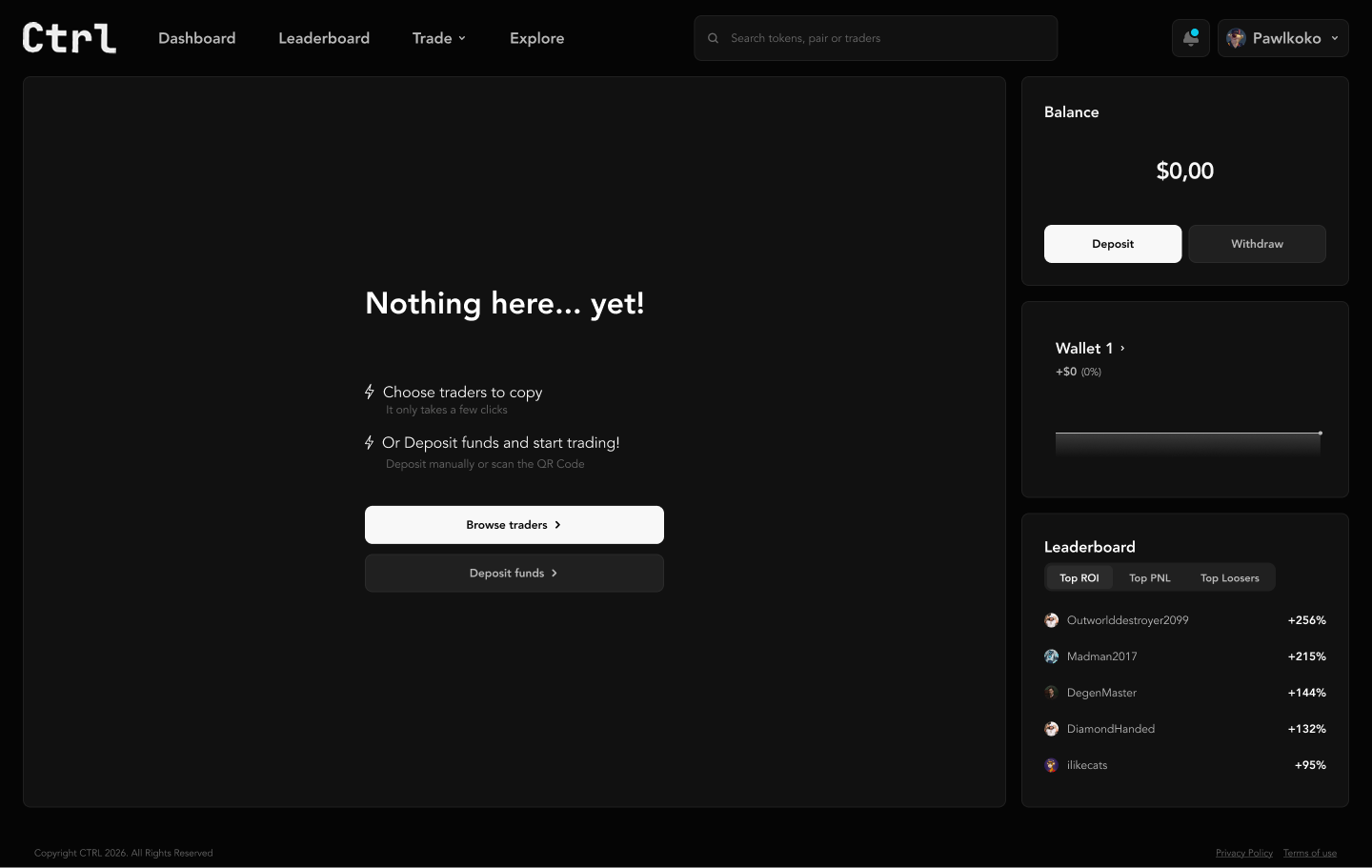
Empty dashboard

If the transaction was not copied due to high slippage, the transaction status changes to “Canceled”. Failed transactions exposed contextual explanations directly in the interface to reduce uncertainty during volatile trading conditions.  Because transactions on low-cap coins often incur huge slippage, this happens so often that it is just a small piece of information in the corner.
11

Moderated task-based usability testing

Test goal

Validating core copytrade and stop copytrade flows, as well as evaluating how they choose traders when making decisions.

Tasks:

- Find and start copying the most profitable trader.
- Stop copying an active trader.
- Locate owned and copied assets within the "Degen 1" wallet.
- See all trades history
- Withdraw funds
- Deposit funds
- Swap coin
- Start DCA Bot
- Create a new wallet

Key Findings:

Finding 1
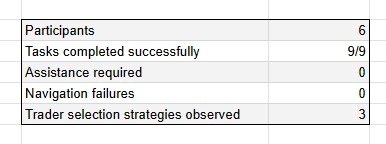
All participants successfully completed all tasks without assistance, suggesting that the information architecture aligned well with users' predictions.
Finding 2
Participants used different decision-making strategies when evaluating traders:The experienced investor focused primarily on profit metrics.The intermediate user trusted the leaderboard ranking.The beginner independently balanced profitability and risk before making a decision.

Finding 3
Even an experienced crypto user ignored Max Drawdown and selected a trader based solely on profit metrics, highlighting the risk of users focusing on visible gains over risk-adjusted performance.
12

Visual Language & System

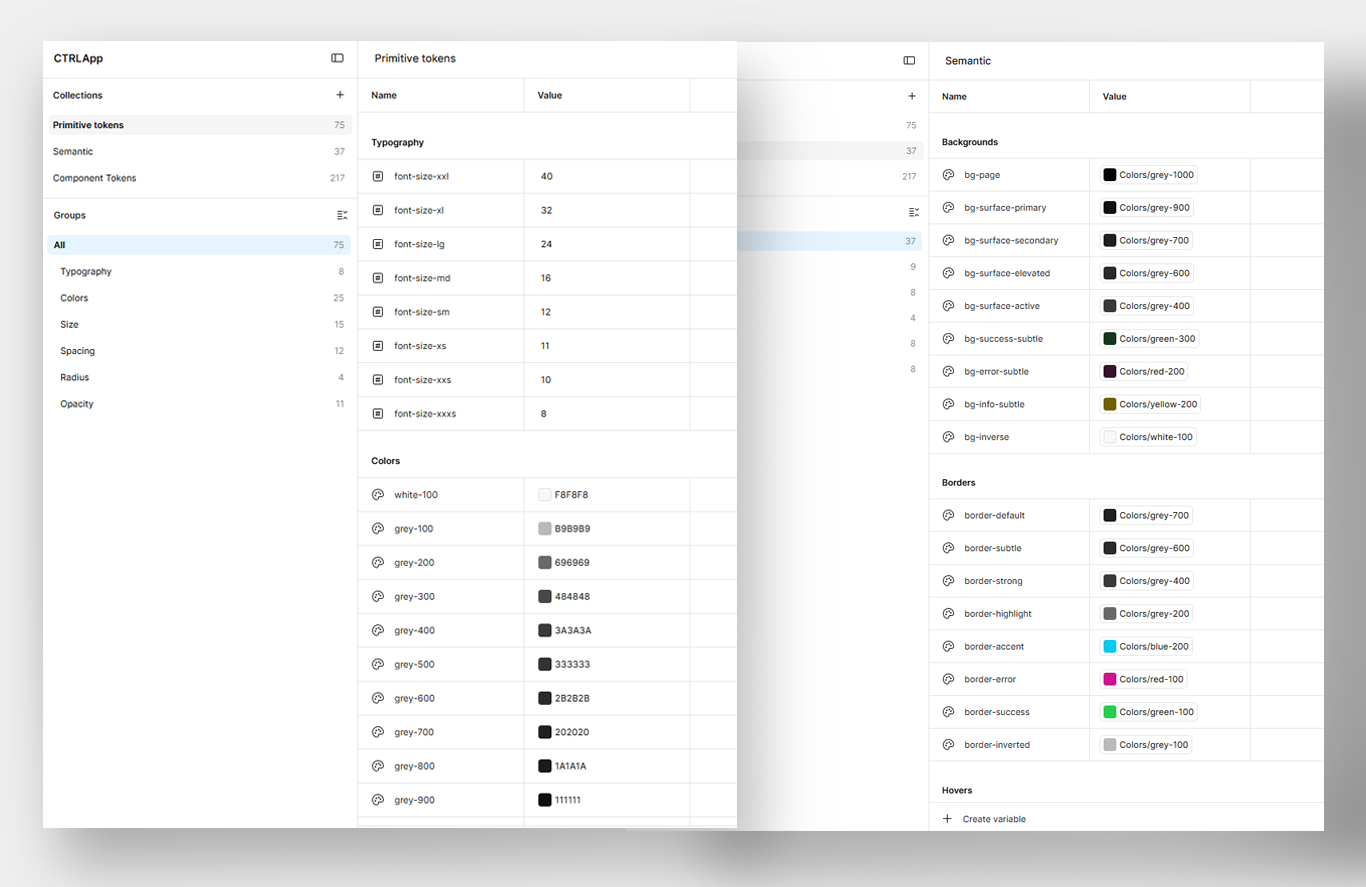
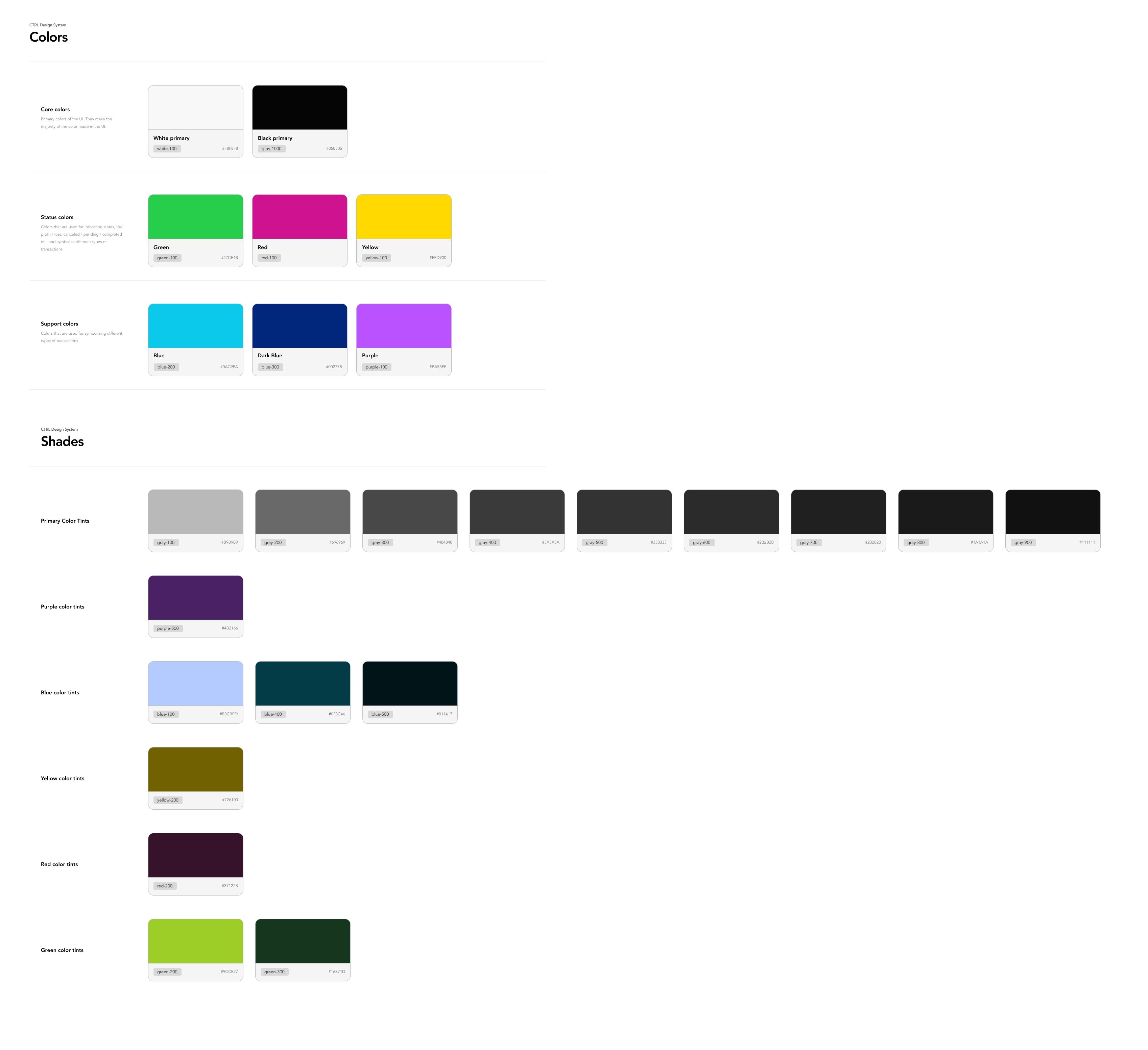
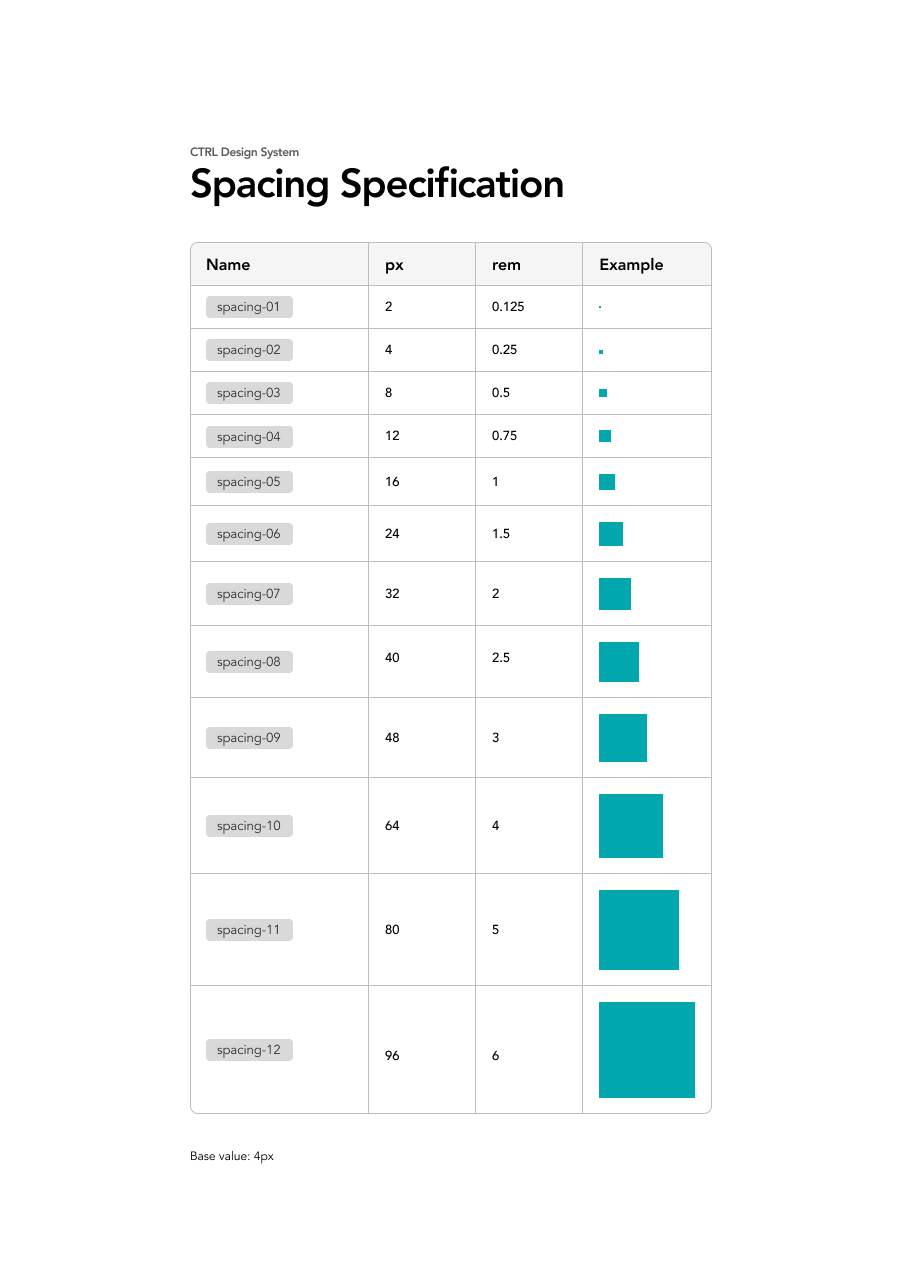
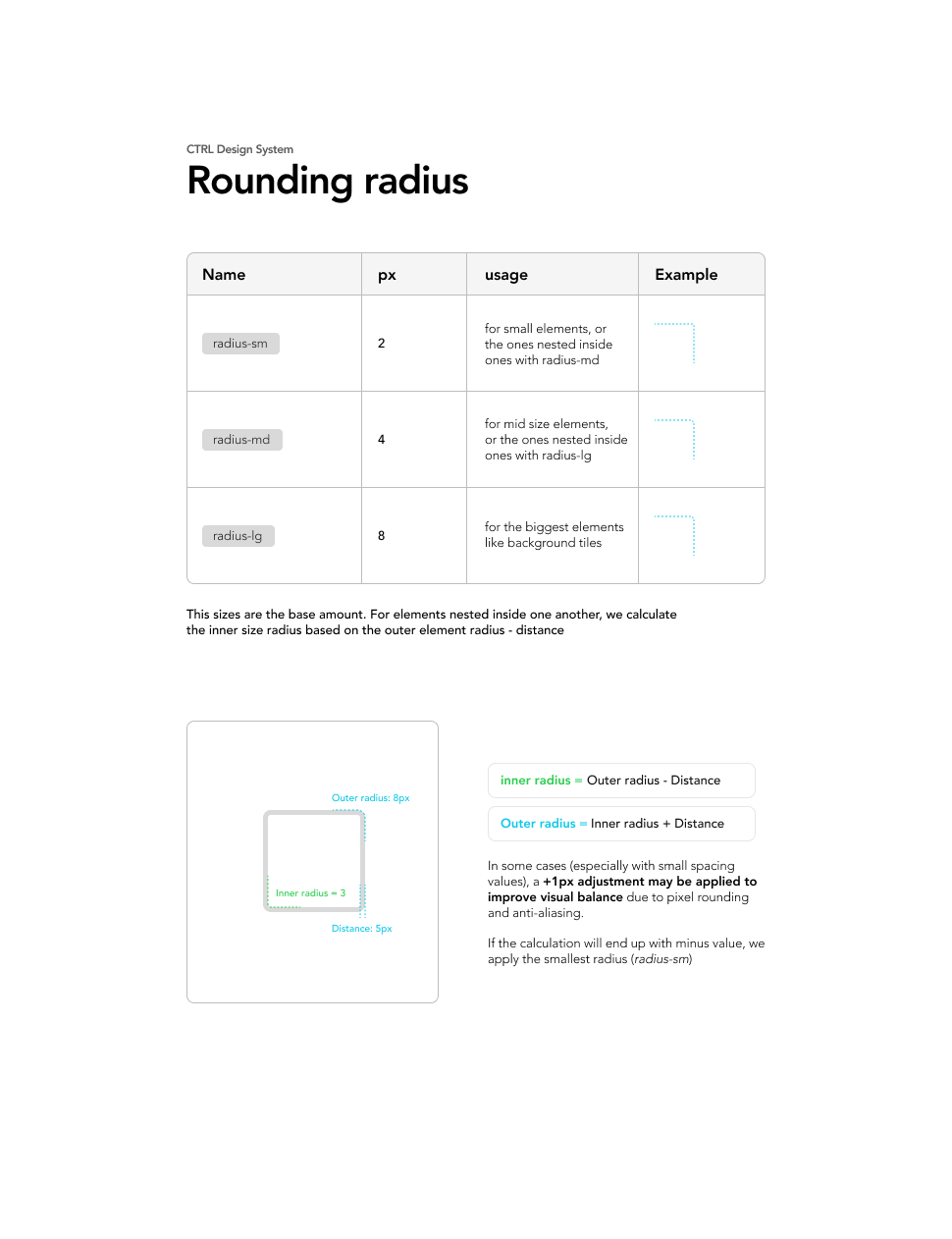
For the entire page, I created a comprehensive design system, built from primitive, semantic, and component tokens, enabling scalable iteration and consistent behavior across a highly complex interface.

Copy transaction Failed Due to High Slippage.

If the transaction was not copied due to high slippage, the transaction status changes to “Canceled”. Failed transactions exposed contextual explanations directly in the interface to reduce uncertainty during volatile trading conditions.  Because transactions on low-cap coins often incur huge slippage, this happens so often that it is just a small piece of information in the corner.
13

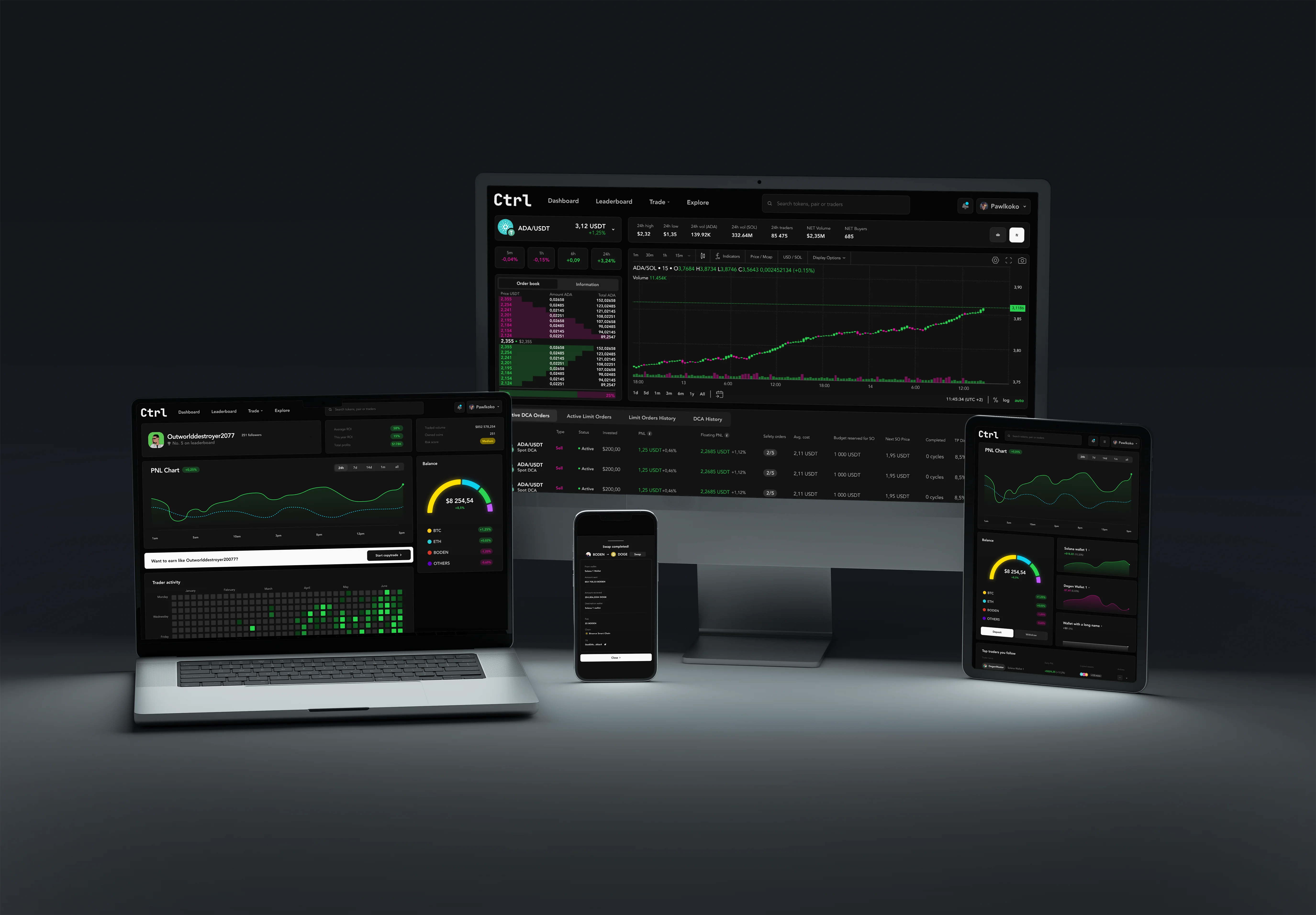
Final Interface Showcase

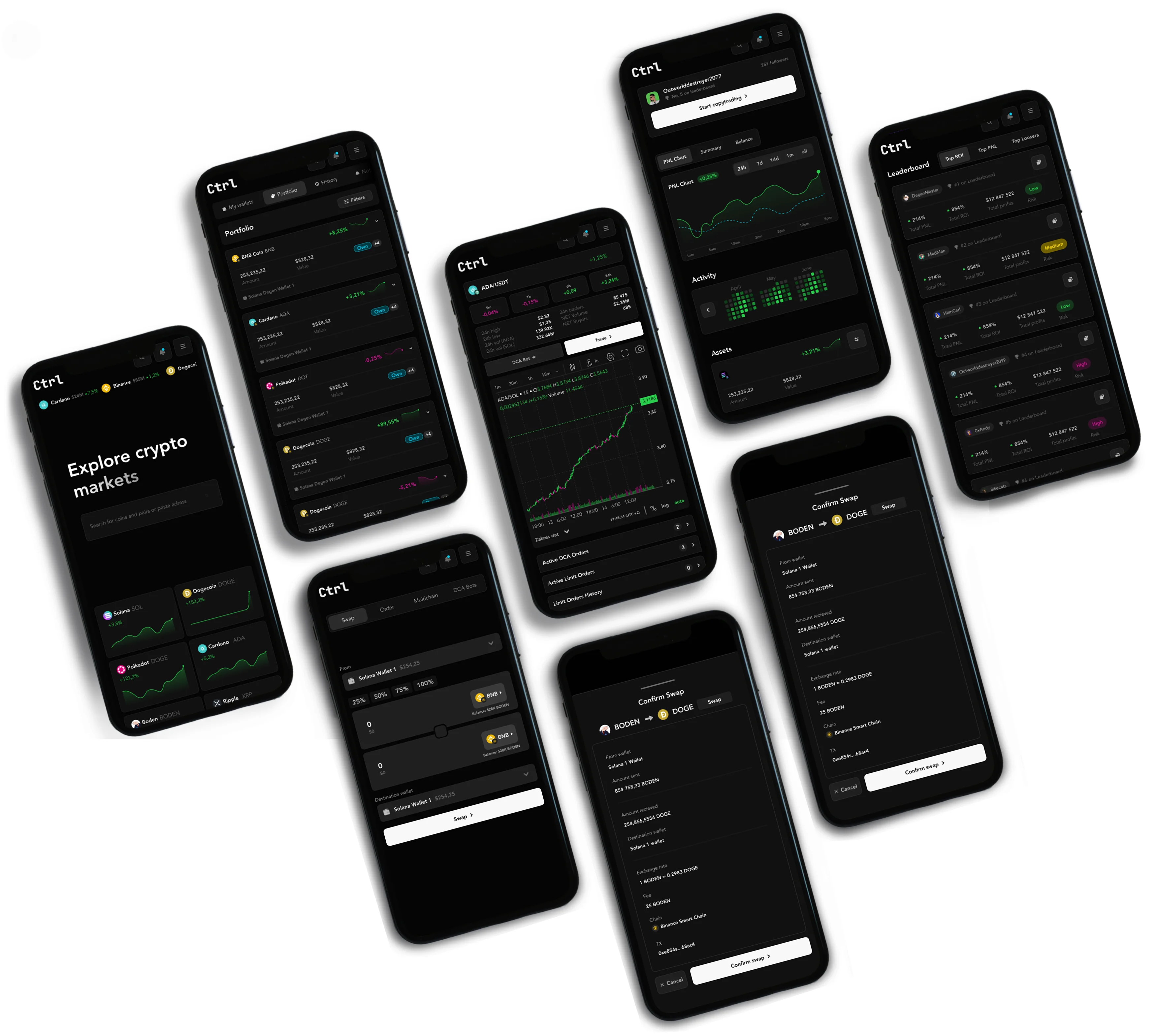
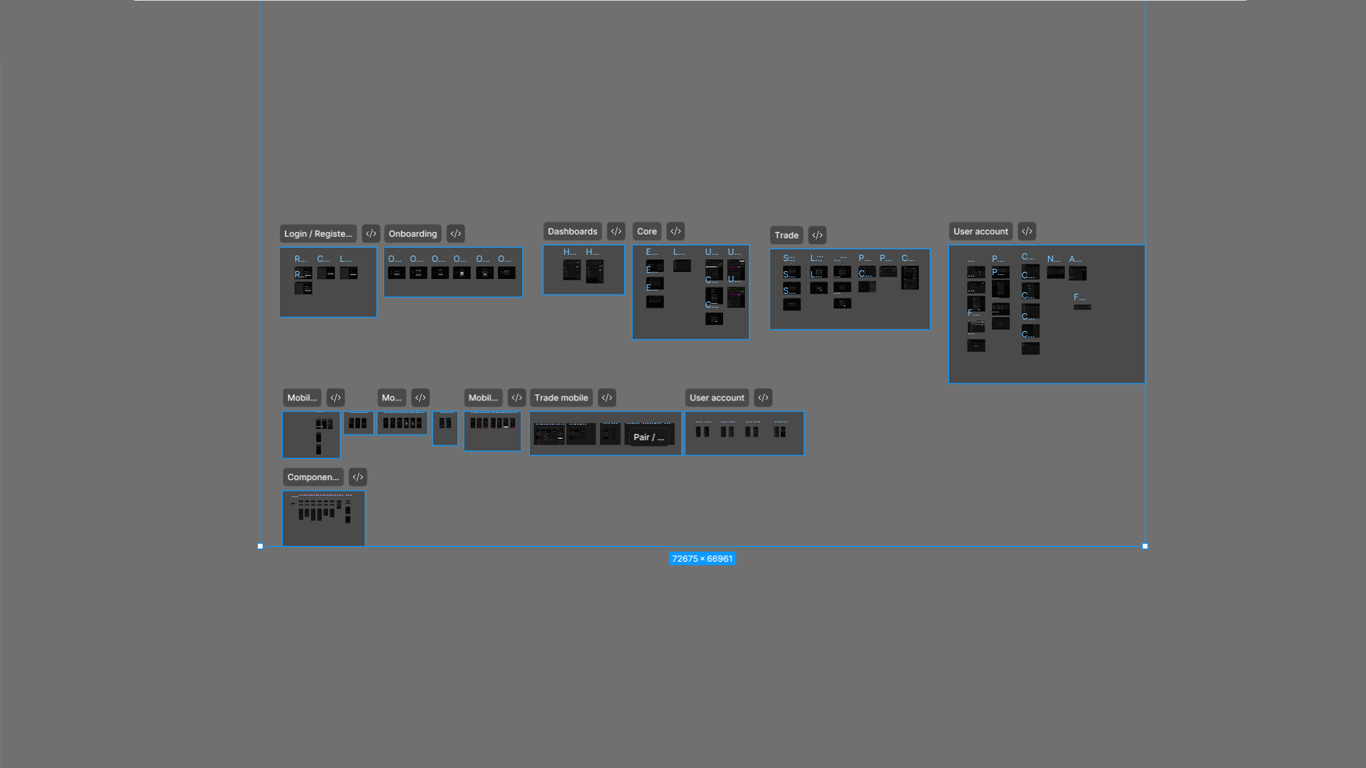
After 98 Screens, 5 months of designing alone, here are final results:
See figma file
13

Outcome, Learnings & Reflection

The project reinforced the idea that financial UX is less about displaying data and more about reducing uncertainty.

In high-risk trading environments, clarity and trust become core product features. The challenges were one of the biggest I had worked on yet, with a multi-wallet feature that showcases oryginal and copied trades for multiple possible copies.In future improvements, I will focus more on user testing.

With that, I'm sure I can make portfolio analysis more tailored to user needs, but it will require more user input.

See also:

L2 Charts - The bridge between traditional exchanges and P2P
January 2023
Online printing system for shirts, pillows, socks etc.
January 2023
2026 Paweł Kostyra. All Rights Reserved.